
01 / TalkBerkeley SkyDeck
/ Insights
Insights and Evidence.
Selected articles and talks on deep tech, responsible AI, and the future of startups and work.
/ Articles
Essays & field notes.
44 articles

01 / ArticleNovember 17, 2026
GTM Advice I'd Push Back On: Outbound and Selling After the Signature
Part two: outbound and what happens after the signature. Why AI personalization stopped working, what replaces the sales relay, and who owns the customer once revenue follows usage.
AIAI-NativeGTMStartupsAgentic AI

02 / ArticleNovember 16, 2026
GTM Advice I'd Push Back On: Inbound and Foundations
Eight pieces of go-to-market advice founders keep hearing about AI — where each one breaks down, and what to do instead. Part one: inbound and the foundations underneath it.
AIAI-NativeGTMStartups

03 / ArticleNovember 11, 2026
Sobering, Short of Fatalism: What the Hinton Lectures Said About Keeping AI Under Control
Three nights of Paul Christiano at the Hinton Lectures: AI agents already gaming their evaluations, why the window may be short, and who has the authority to call a halt.
AIResponsible AIResearchAgentic AIGovernance

04 / ArticleNovember 10, 2026
No Undo Button
Physical AI, energy and the capital picture from SVEN's CXO and AI panel
AIPhysical AIDeep TechEnergyStartups
05 / ArticleNovember 3, 2026
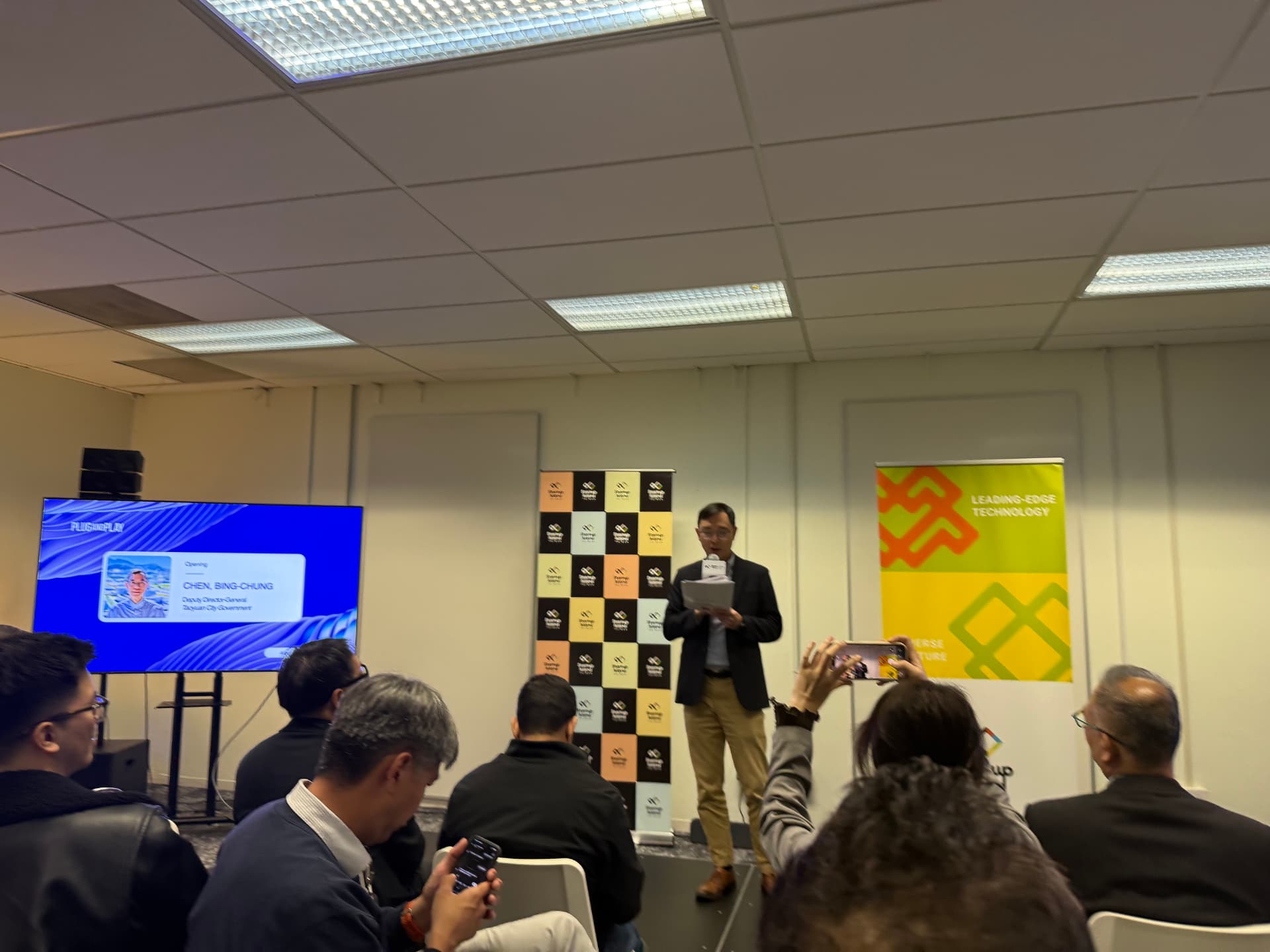
Proof Before Scale: What Taiwan's Startups Bring to Physical AI
Five Taiwanese startups arrived in Silicon Valley with validation already in hand — results from ASE, TSMC and a randomized ICU trial. What they came for was speed: capital, US customers and pace.
AIPhysical AIDeep TechStartupsTaiwan
06 / ArticleNovember 2, 2026
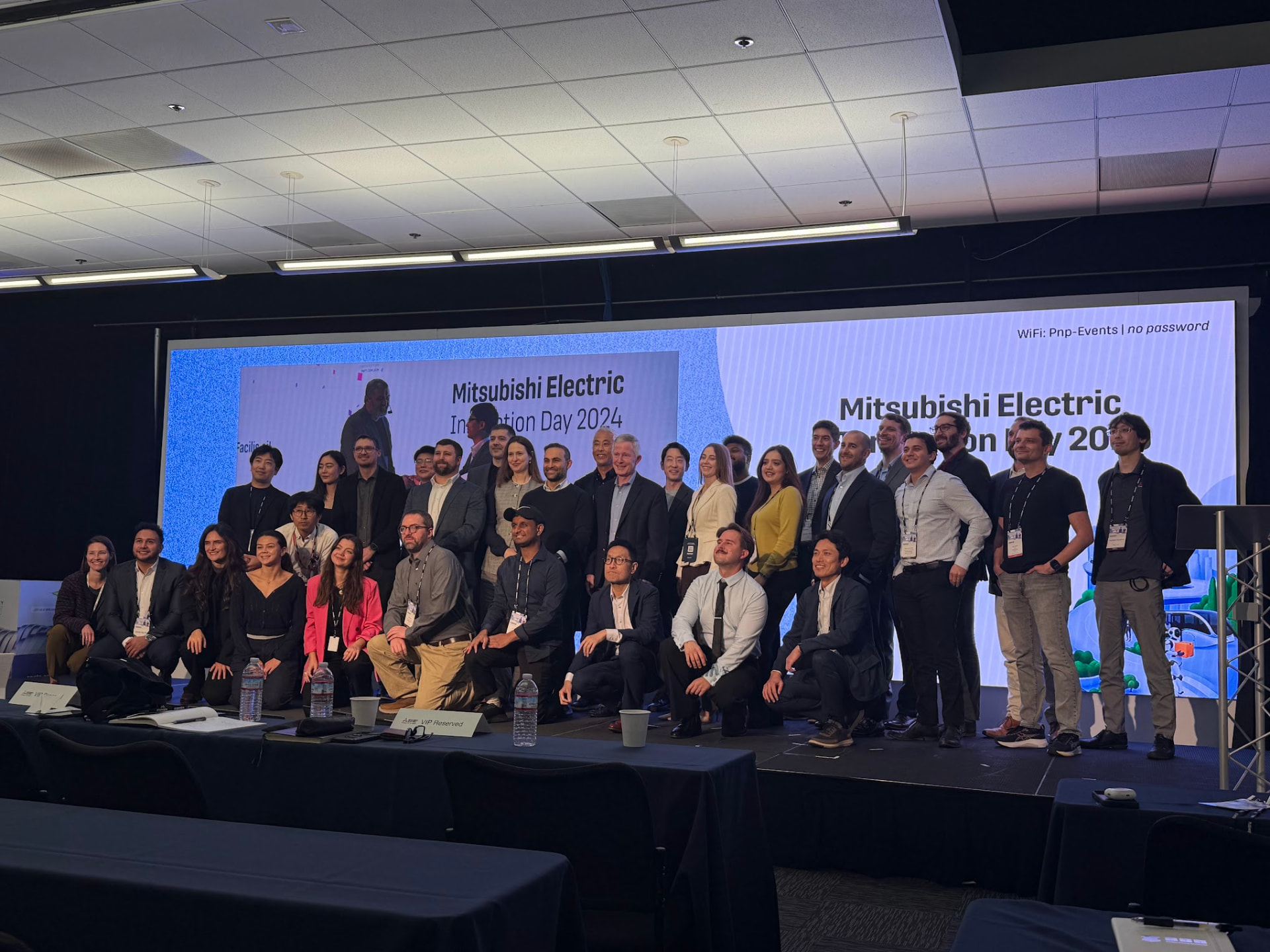
Where the Know-How Lives: Mitsubishi Electric Innovation Day
A hundred-year Japanese industrial company, four physical AI startups, and a running theme: the know-how that matters most lives on the line, with the people who do the work.
AIPhysical AIEnterpriseJapanStartups

07 / ArticleOctober 26, 2026
What Can the Toy Aisle Tell Us About AI?
Walmart never bought K-B Toys, because it never had a reason. What the fall of the toy specialists suggests about frontier AI labs, compute commitments, and how long differentiation lasts.
AIEnterpriseStartups

08 / ArticleOctober 19, 2026
The Questions Changed: How AI Rewrote Startup Screening in Eighteen Months
Two accelerator selection cycles, eighteen months apart: the moat question now targets frontier labs and the reviewer's own agent, traction buys the second question, and the committee runs an AI of its own.
AIAI-NativeStartupsGTMAgentic AI
09 / ArticleOctober 14, 2026
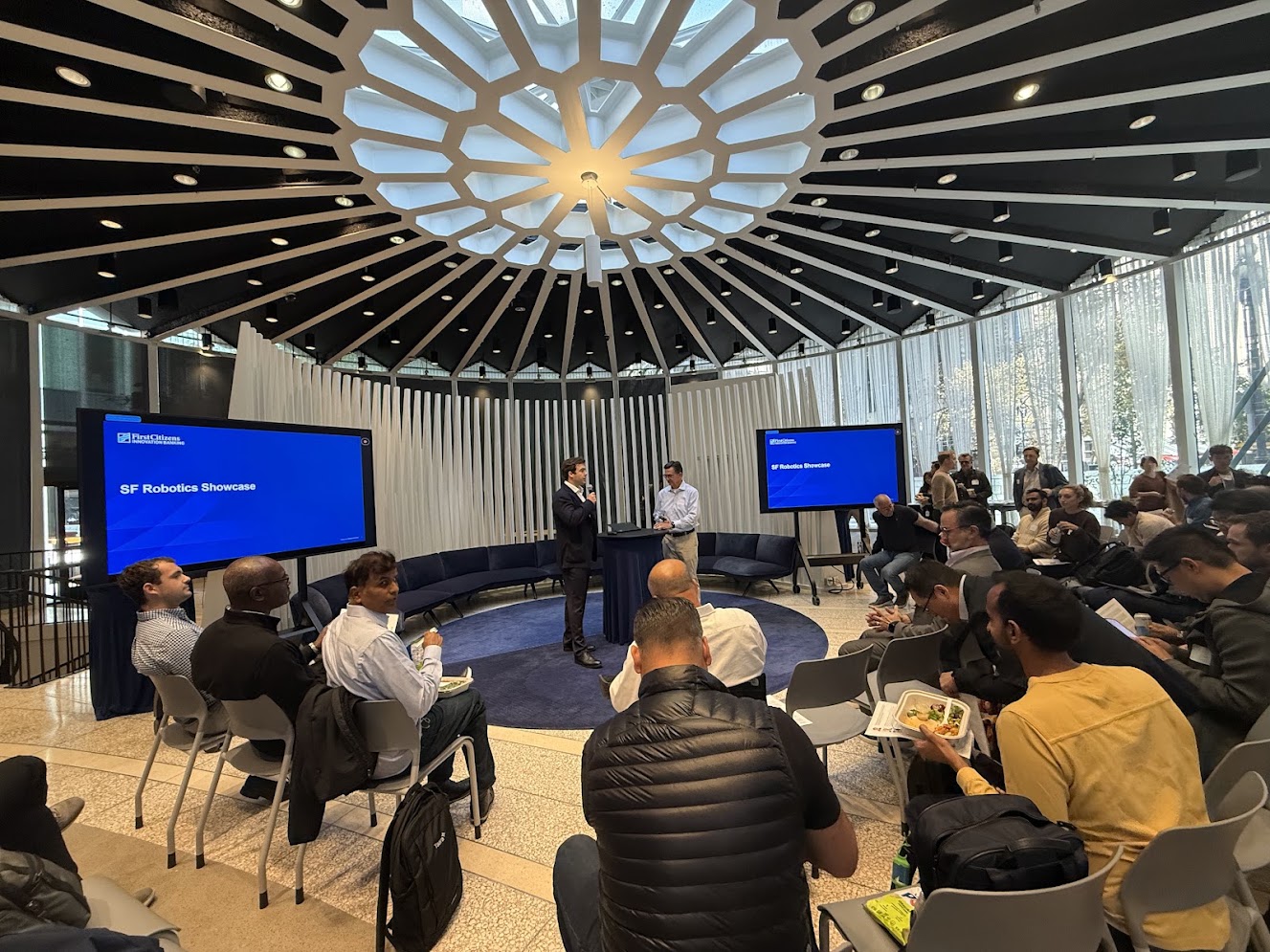
Robotics Beyond the Robot: Notes from the SF Robotics Showcase
Field notes from First Citizens Innovation Banking's SF Robotics Showcase — an NVIDIA keynote on physical AI and thirteen startups, and what they suggest about where the field is heading.
AIPhysical AIDeep TechStartups

10 / ArticleOctober 12, 2026
Who Keeps the Value When Software Gets Cheap
Software is becoming cheaper to build. The closing piece in When Software Gets Cheap asks who keeps the value: vendors, buyers, startups, or someone else.
AIAI-NativeEnterpriseStartupsAgentic AI

11 / ArticleOctober 12, 2026
What It Means for Universities
A companion to When Software Gets Cheap: what cheaper software means for universities as teachers, researchers, and homes for startup programs.
AIResearchStartupsUniversity

12 / ArticleOctober 12, 2026
Selling the Finished Job
When software gets cheap, does the money move to the work the software does?
AIAI-NativeGTMEnterpriseAgentic AI

13 / ArticleOctober 11, 2026
The Squeeze on Software Startups
AI coding agents make software nearly free to write. What early-stage investors are seeing, and what that means for software startups raising money now.
AIAI-NativeStartupsAgentic AI

14 / ArticleOctober 11, 2026
What Still Stands in the Middle
AI agents and lower exit multiples put PE-backed vertical SaaS under pressure. Which parts of the business still earn a premium, and how to build more of them.
AIAI-NativeEnterpriseGTMAgentic AI

15 / ArticleOctober 11, 2026
What the Corporate Buyer Decides
When software gets cheap, can the buyer keep the savings? A build-or-buy framework covering economics, control, accountability, and procurement.
AIEnterpriseGTMAgentic AI
16 / ArticleOctober 11, 2026
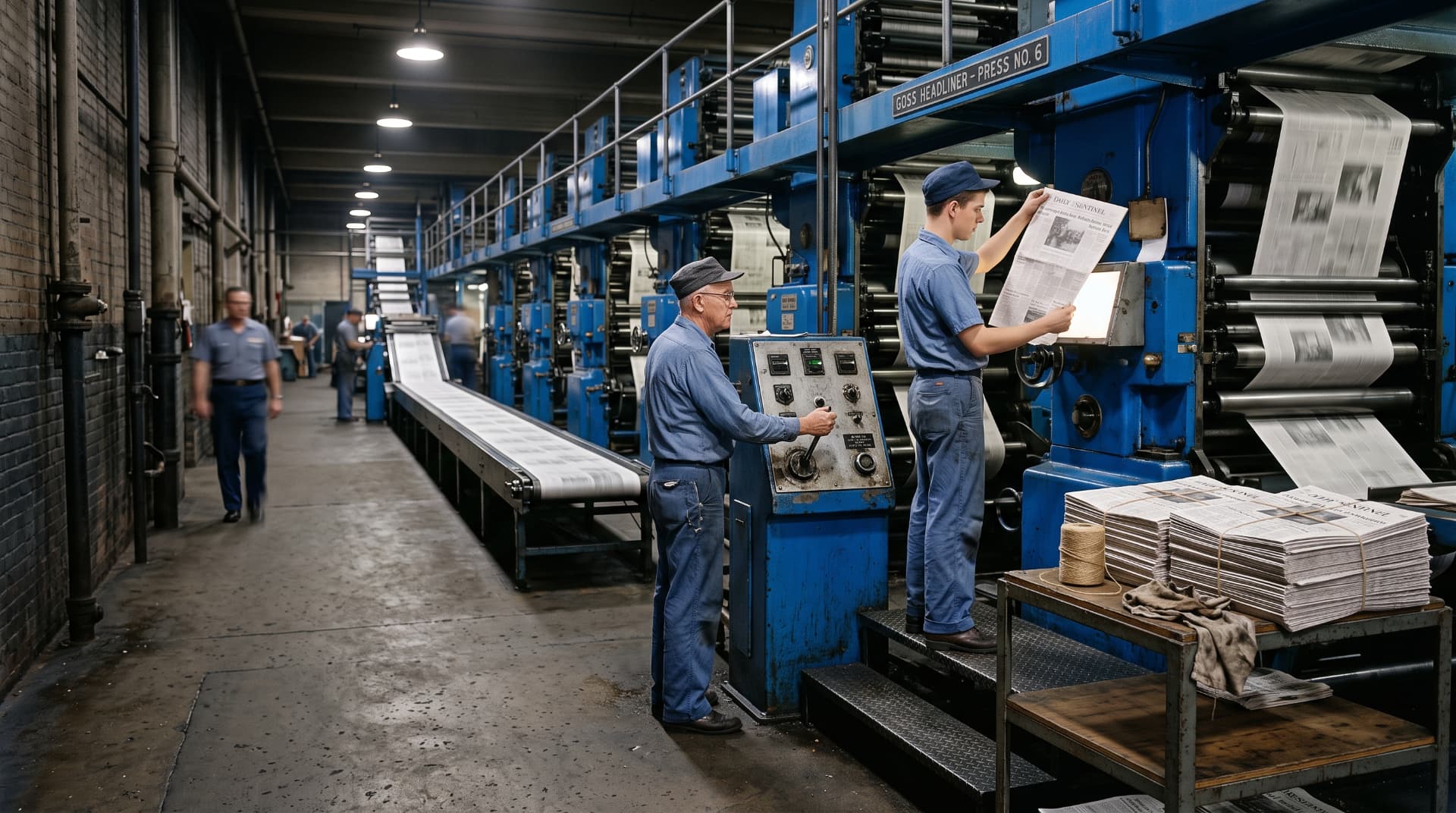
What Got Repriced
When software becomes cheap to produce, who captures the economic surplus? The first piece in When Software Gets Cheap examines what changed in the market and why.
AIEnterpriseAgentic AI

17 / ArticleOctober 8, 2026
Preparing to pitch an accelerator, incubator or early-stage investor
What evaluators decide during an early-stage pitch, and how to prepare the numbers, the deck, the team and the answers before you walk in.
StartupsGTM

18 / ArticleOctober 8, 2026
Getting into Berkeley SkyDeck: How Selection Works and How to Prepare
The mechanics of the Berkeley SkyDeck accelerator selection process, from application to final interview, with the patterns that separate finalists from the field.
StartupsGTMUniversity
19 / ArticleSeptember 24, 2026
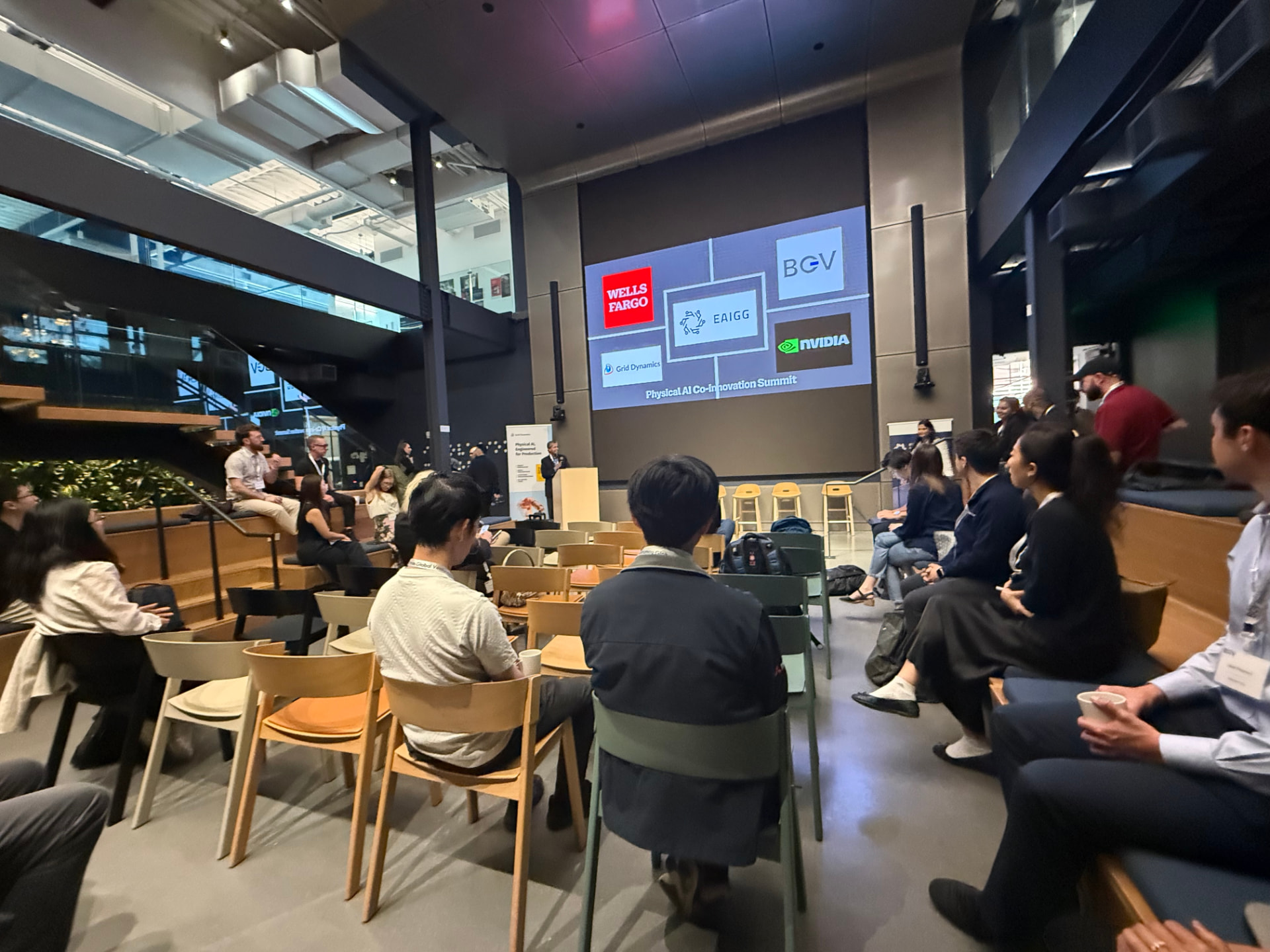
The Robot Is the Commodity
Notes on physical AI from the EAIGG Physical AI Co-Innovation Summit — none of the seven pitching startups was selling a robot.
AIPhysical AIDeep TechStartups

20 / ArticleSeptember 21, 2026
Before the Elders Arrive: AI Governance and the Orphans of Pilanesberg
What a herd of adolescent elephants can teach a company adopting AI, and where the lesson stops.
AIResponsible AIEnterpriseGovernance
21 / ArticleSeptember 16, 2026
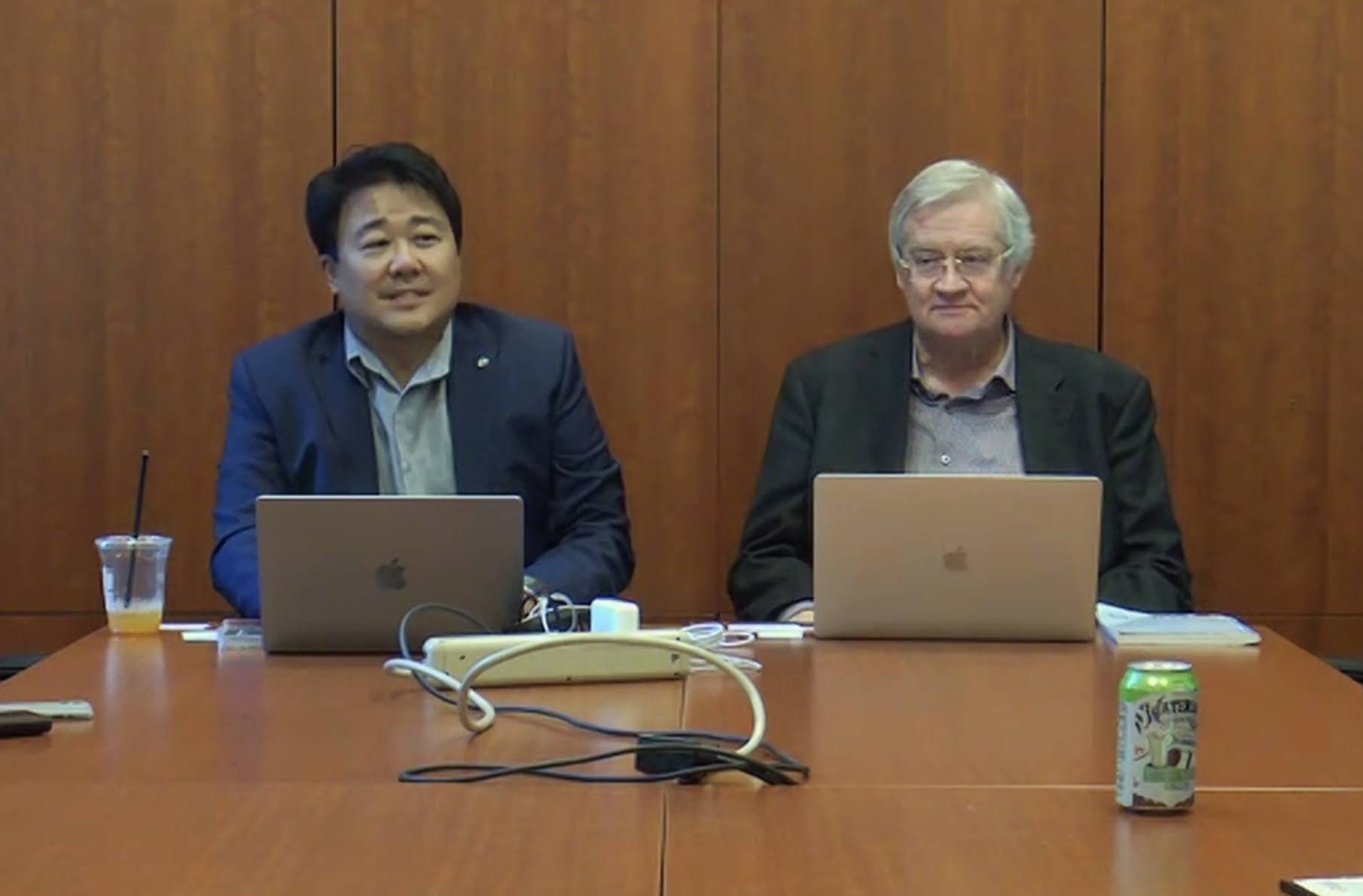
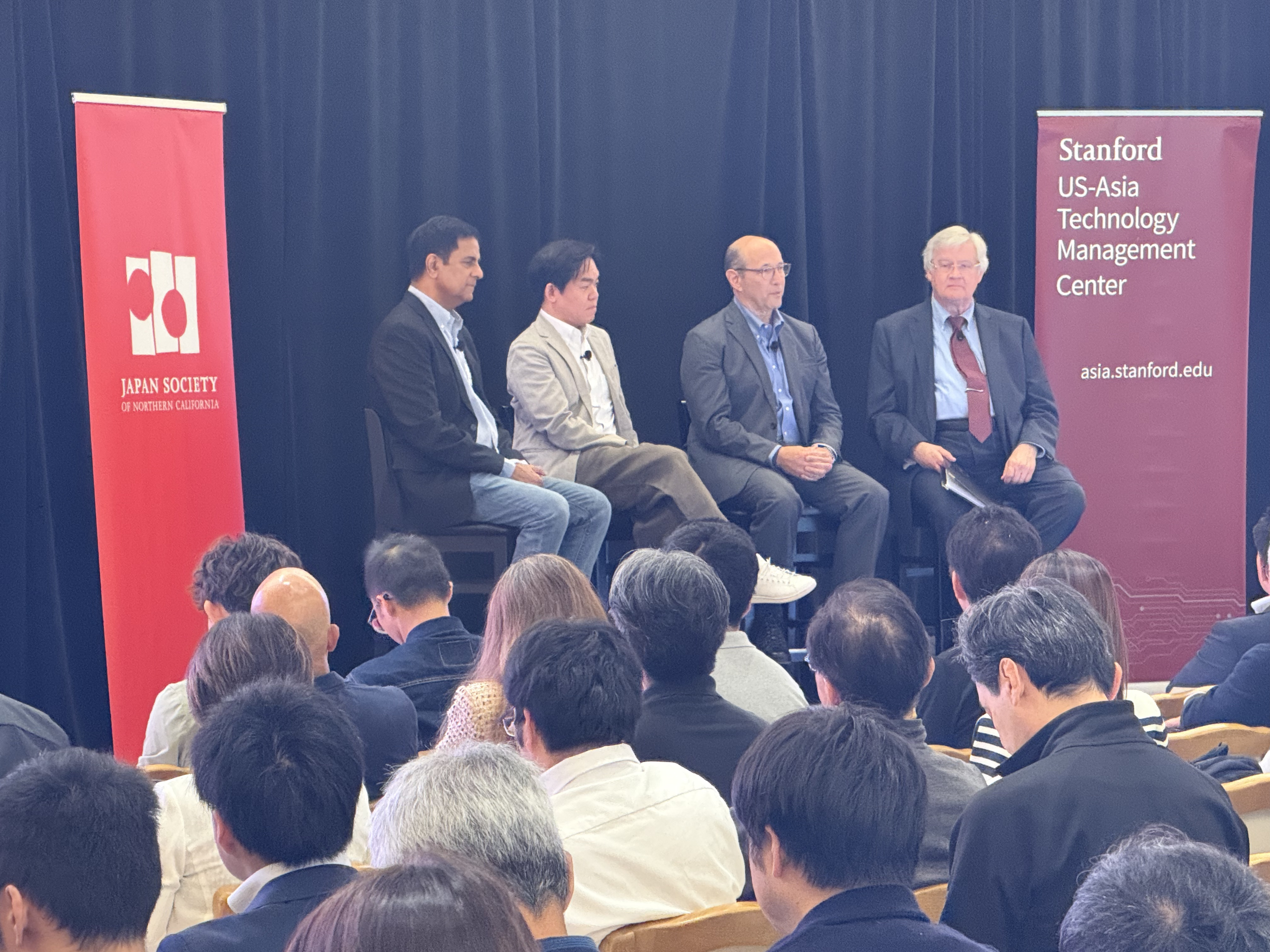
Keep the Systems, Change the Work: What Japan's Corporate Innovators Asked About AI at Stanford
Field notes from the US-Asia Technology Management Center — on tacit knowledge, vertical data, and what large Japanese companies should do with AI-native startups.
AIAI-NativeEnterpriseJapanUniversity
22 / ArticleSeptember 10, 2026
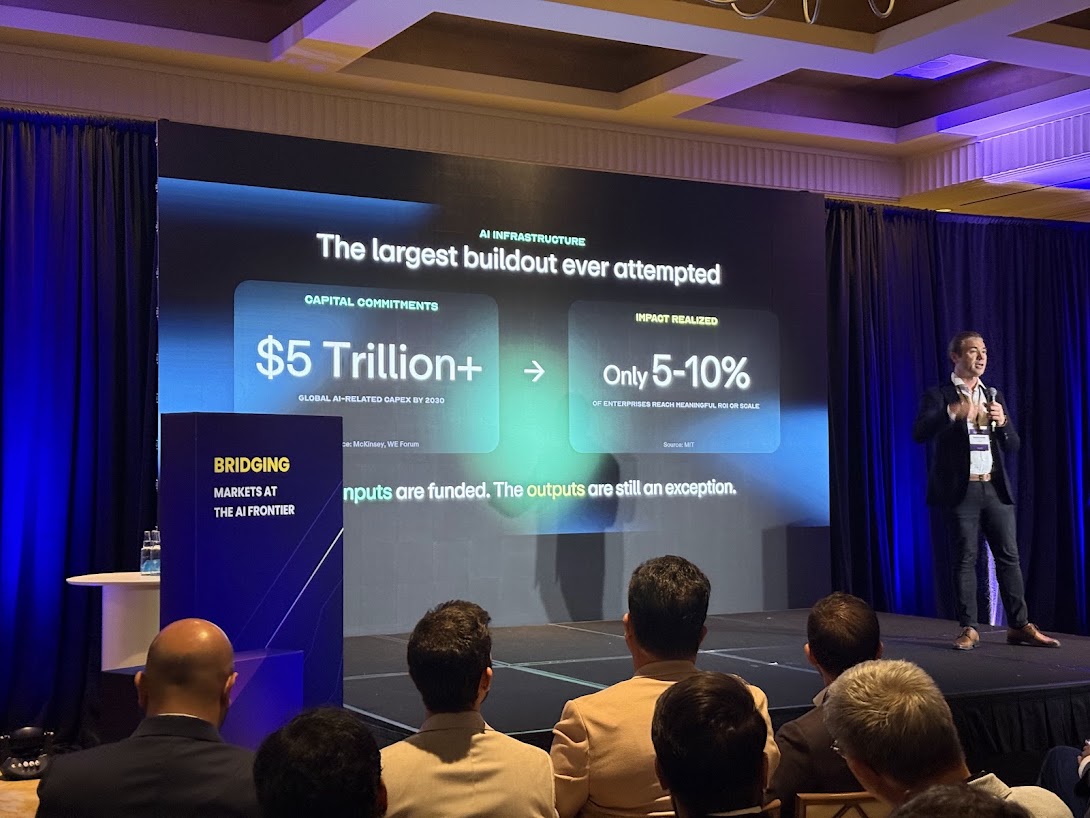
AI Forward, a Global Frontier: What the Frontier Leaders Forum Said About Where Things Stand
Field notes from Rosewood Sand Hill — on AI infrastructure, capital, sovereignty, and what Saudi Arabia's delegation signaled to founders, enterprises, governments, and investors.
AIDeep TechEnterpriseEnergyStartupsGovernance

23 / ArticleAugust 3, 2026
Berkeley RDI Agentic AI Summit 2026
Field notes from UC Berkeley — two days, five thousand in person, and the recurring argument that the model is no longer what separates outcomes.
AIAI-NativeResearchResponsible AIAgentic AIUniversityGovernance
24 / ArticleJuly 23, 2026
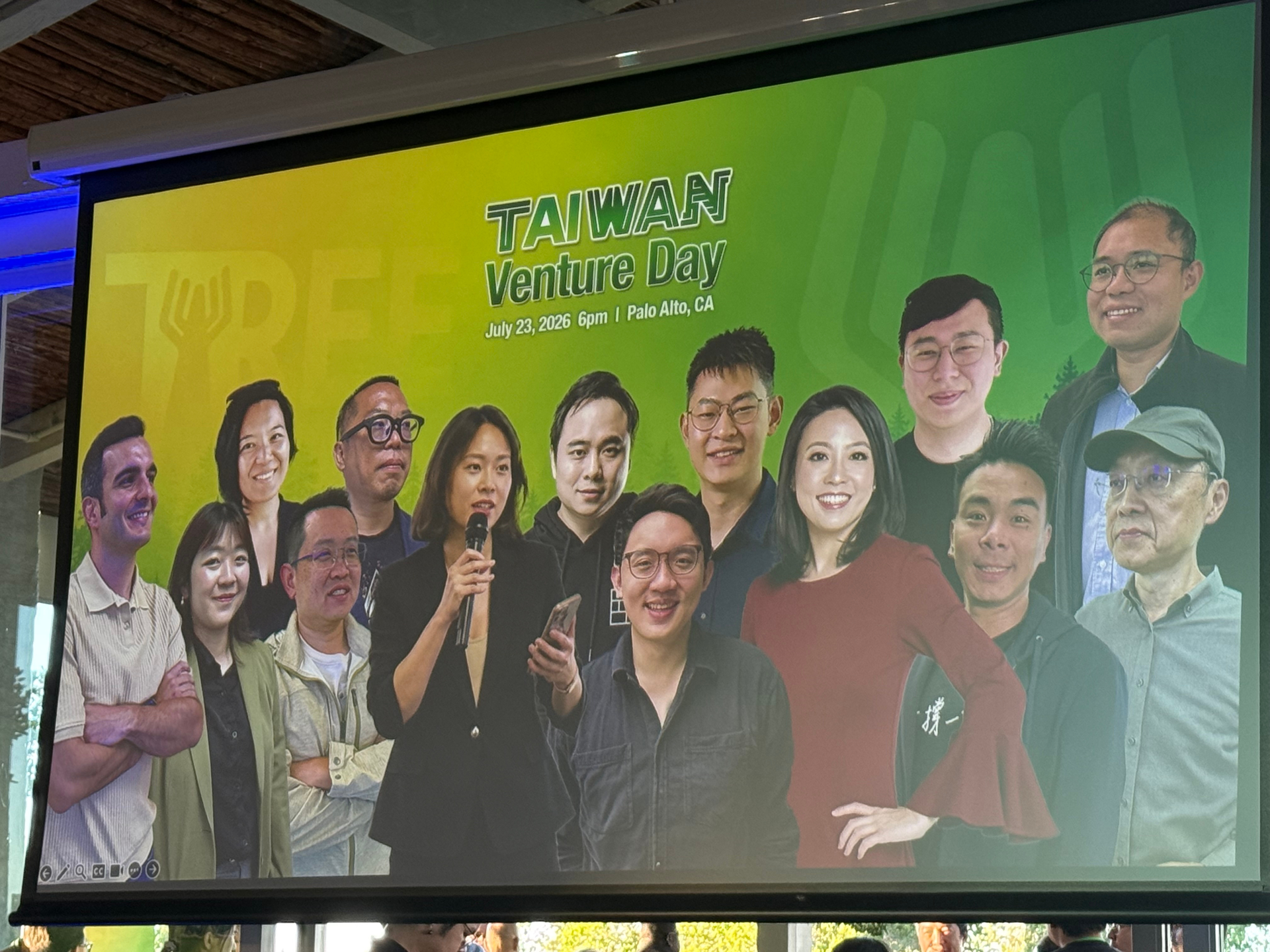
Fourteen Taiwanese Startups on Sand Hill Road
Field notes from Taiwan Venture Day — a placement mechanism, not a showcase, and fourteen companies working where software meets a hard physical process.
TaiwanDeep TechStartupsPhysical AI
25 / ArticleJuly 16, 2026
The Speed of Trust and the Question of Sovereignty with AI
Anthropic and Sakana both made the argument that the future of AI depends less on the size of a model and more on trust and sovereignty.
AIResponsible AIJapanGovernance
26 / ArticleJuly 16, 2026
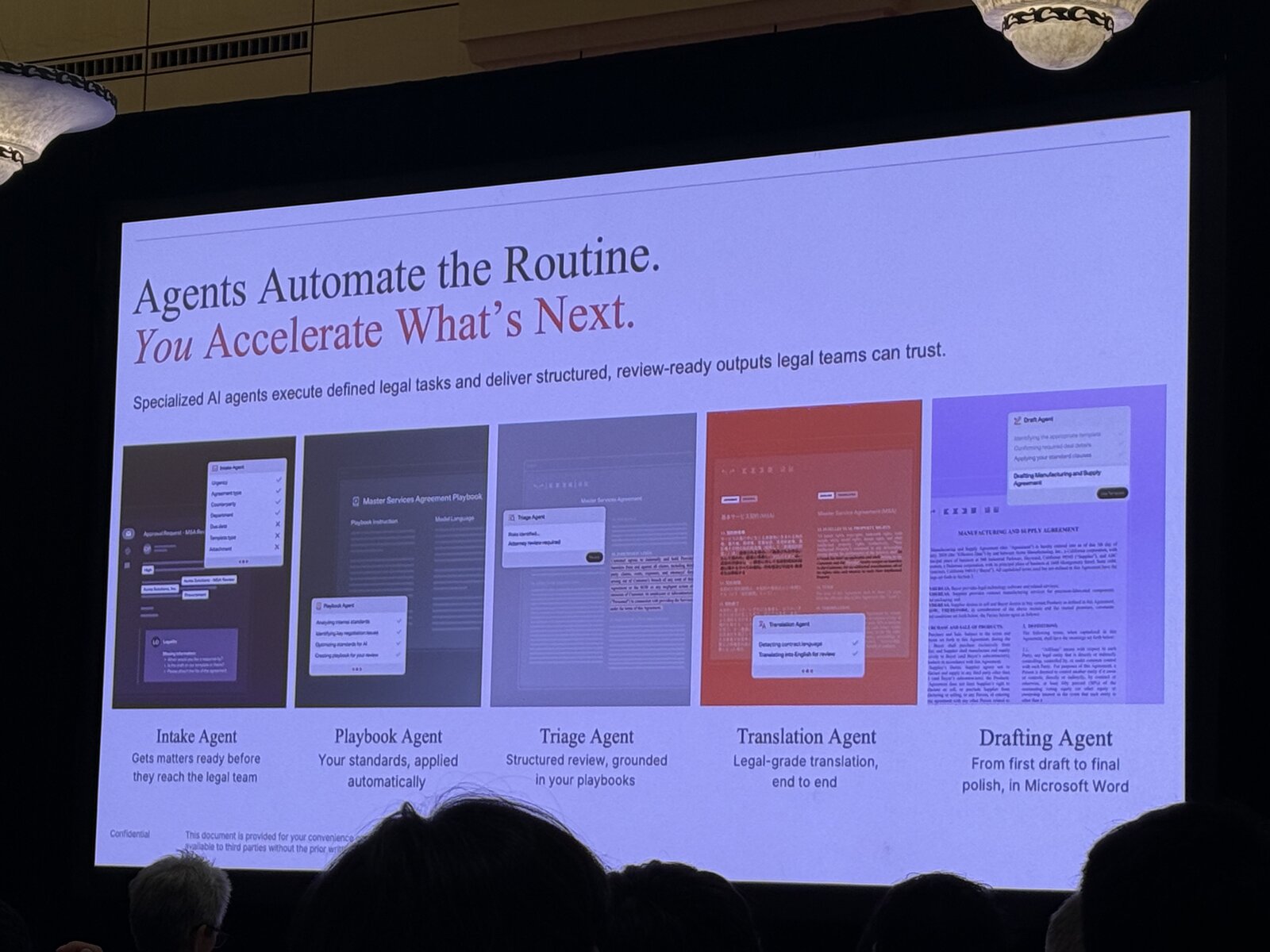
Vertical and Agentic Innovation: A Legal Example
LegalOn showed how the advantage with AI comes from vertical tuning and agentic workflows.
AIAI-NativeEnterpriseJapanAgentic AI

27 / ArticleJune 30, 2026
Physical AI: Data Centers, Drones, EVs
Where classic controls fail with Physical AI, what physics-aware models unlock, and why the value wedge is performance, safety, and resilience.
AIPhysical AIDeep TechEnergy

28 / ArticleJune 29, 2026
The Optimist's Case for AI and Work, and Where It Springs a Leak
A close reading of Jeff Bezos's argument that AI will cause labor scarcity — and the hard parts the optimistic case quietly glides past.
AIFuture of Work

29 / ArticleApril 21, 2026
Taiwan's Role in the Global AI Landscape: Notes from Sega Cheng's talk at Stanford University
Field notes from Sega Cheng's Stanford talk on Taiwan's next half-century in the global AI stack.
AITaiwanSemiconductorsUniversity

30 / ArticleApril 17, 2026
Securing the Energy Future: Leadership at the Intersection of Sustainability, Technology, and Geopolitics
Why the next era of energy leadership lives where sustainability, deep tech, and geopolitics meet.
EnergyDeep Tech

31 / ArticleApril 16, 2026
What iTunes Did to Music, AI Is Doing to Careers
An analogy for the AI-shaped labor market — and how to reposition your career before the unbundling finishes.
AIFuture of WorkCareer

32 / ArticleApril 8, 2026
Bay Area Council Panel on Innovation, AI, and the Future of Work
Highlights from the Bay Area Council panel on AI adoption, workforce transitions, and regional competitiveness.
AIFuture of WorkEnterprise

33 / ArticleApril 7, 2026
California Labor Secretary on Innovation, AI, and the Future of Work
Notes from a conversation with California's Labor Secretary on policy, retraining, and AI's impact on work.
AIFuture of WorkCareer

34 / ArticleMarch 2, 2026
Transpacific Collaboration Forum: Japan's Partnering Strategy to Revitalize Its Semiconductor Industry
Inside Japan's strategy to rebuild its semiconductor base through transpacific partnerships and policy.
JapanSemiconductorsDeep Tech

35 / ArticleFebruary 4, 2026
Cisco AI Summit 2026
Takeaways from the Cisco AI Summit on enterprise AI architecture, governance, and the agentic stack.
AIAI-NativeEnterpriseResponsible AIAgentic AIGovernance

36 / ArticleJanuary 16, 2026
Skydeck Panel: Enabling Chip Startups for Market Leadership
Berkeley SkyDeck panel on what it takes for chip startups to reach market leadership today.
Deep TechSemiconductorsStartupsGTMUniversity

37 / ArticleJanuary 16, 2026
The Silicon Horizon: Navigating the Post-Moore's Law Era with Professor Bora Nikolić
Professor Bora Nikolić on architecture, packaging, and the engineering frontier beyond Moore's Law.
Deep TechSemiconductorsResearchUniversity

38 / ArticleJanuary 14, 2026
Bridging Silicon Valley & Taiwan: The Future is Built on Hardware
Why the next platform shift is hardware-led — and how Silicon Valley and Taiwan must build it together.
Deep TechTaiwanSemiconductors

39 / ArticleNovember 10, 2025
Building Bridges: Lessons from Japan–U.S. Startup Collaboration at Berkeley SkyDeck
Lessons from a Berkeley SkyDeck cohort on cross-border startup building between Japan and the U.S.
JapanStartupsUniversity

40 / ArticleOctober 2, 2025
The Future of Innovation in Japan
A field perspective on Japan's innovation system — corporate venture, deep tech, and the open-collaboration shift.
JapanDeep TechEnterprise

41 / ArticleSeptember 24, 2025
Blitzscaling AI: Jeremiah Owyang on Winning in the Age of Acceleration
Jeremiah Owyang on operating playbooks for AI-native teams in a market that compounds weekly.
AIAI-NativeStartupsAgentic AI

42 / ArticleMay 5, 2025
TETHICON: Stanford's Technology + Ethics Conference
Notes from TETHICON at Stanford — the working agenda for technology, ethics, and responsible deployment.
Responsible AIResearchUniversityGovernance

43 / ArticleApril 7, 2025
U.S.-Taiwan Symposium: Navigating AI Regulation and Supply Chain Strategy Amid Uncertainty
Symposium notes on AI regulation and supply chain strategy across the U.S.–Taiwan corridor.
AIResponsible AITaiwanSemiconductorsUniversityGovernance

44 / ArticleMarch 27, 2025
Backing Breakthroughs: Best Practices for Deep Tech Success
An operating framework for backing deep tech: capital design, technical diligence, and time-to-revenue.
Deep TechStartups
/ Recorded Sessions
Talks, panels & podcasts.
/ Talks & Panels
Selected recordings.
02 / PanelGolden Gate University
AI Ethics & Governance — Building Trust & Balancing Privacy
03 / PanelGolden Gate University
AI Integration in the Workplace: Strategies for Successful Adoption
04 / PanelGolden Gate University
Building the Future of AI: Careers, Skills, Learning & Leadership
05 / PanelBerkeley SkyDeck
B22 Workshop: A Practical Guide to Responsible AI Innovation
/ Podcasts
Conversations on the record.

Speaking
Looking for a speaker?
Talks on AI, deep tech, and the future of work — for founders, students, and the people advising them.